
10 Signs It's Time to Move Your Parent to Memory Care in Las Vegas
There is no moment in a family’s life quite like the realisation that a parent needs more care than you can provide at home. It arrives slowly for some families — a gradual accumulation of missed medications, confused phone calls, and unexplained burns on the stovetop. For others, it arrives suddenly — a fall, a neighbour calling in alarm, a moment of complete non-recognition.

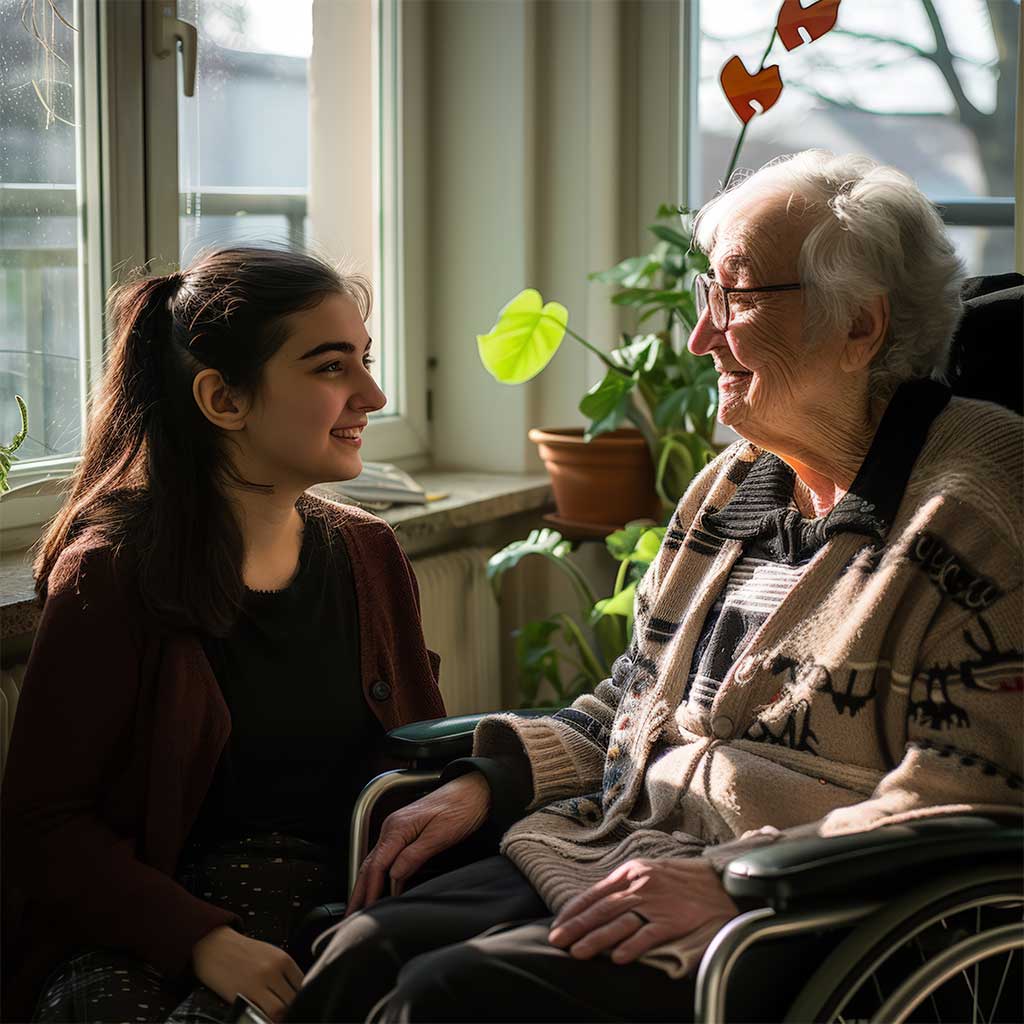
How to Have the Conversation
Initiating the conversation about memory care is often harder than making the decision itself. A few approaches that Las Vegas families have found helpful:
10 Signs That Memory Care May Be Needed
Wandering and Getting Lost
If your loved one is leaving the house and becoming disoriented — even in familiar neighbourhoods — this is a serious safety risk. Memory care facilities are designed with secure environments to prevent dangerous wandering.
Medication Errors
Missing doses, double-dosing, or refusing medication entirely are common and dangerous consequences of cognitive decline. Professional memory care includes trained medication management and accurate record-keeping.
Neglecting Personal Hygiene
When bathing, dental care, or changing clothes is being consistently skipped — often without awareness — daily personal care support becomes essential.
Significant Changes in Personality or Behaviour
Aggression, paranoia, accusations, severe anxiety, depression, or complete social withdrawal are common Alzheimer's symptoms that professional caregivers are specifically trained to manage.
Inability to Manage Daily Tasks Safely
Leaving the stove on, mishandling appliances, or being unable to prepare a simple meal without injury signals a need for supervised daily living support.
Frequent Falls or Physical Decline
Falls are the leading cause of injury-related death among older adults. When physical stability becomes compromised alongside cognitive decline, 24-hour supervision is critical
Social Isolation and Depression
As dementia progresses, many individuals withdraw from activities they once loved. Professional memory care facilities offer structured social engagement that home environments typically cannot replicate.
Caregiver Exhaustion (Burnout)
This sign applies to you, not your parent. If you are sleeping poorly, neglecting your own health, experiencing chronic stress, or feeling resentful, you are experiencing caregiver burnout. It is real, it is serious, and it means your loved one needs more support than one person can sustainably provide.
Repeated Safety Incidents
Fires, flooding, falls, traffic incidents, or financial exploitation often accelerate during moderate dementia stages. When incidents are recurring, immediate action is necessary.
Your Loved One Is No Longer Safe Alone
If you are afraid to leave your parent alone for even a few hours, memory care is almost certainly the right next step.